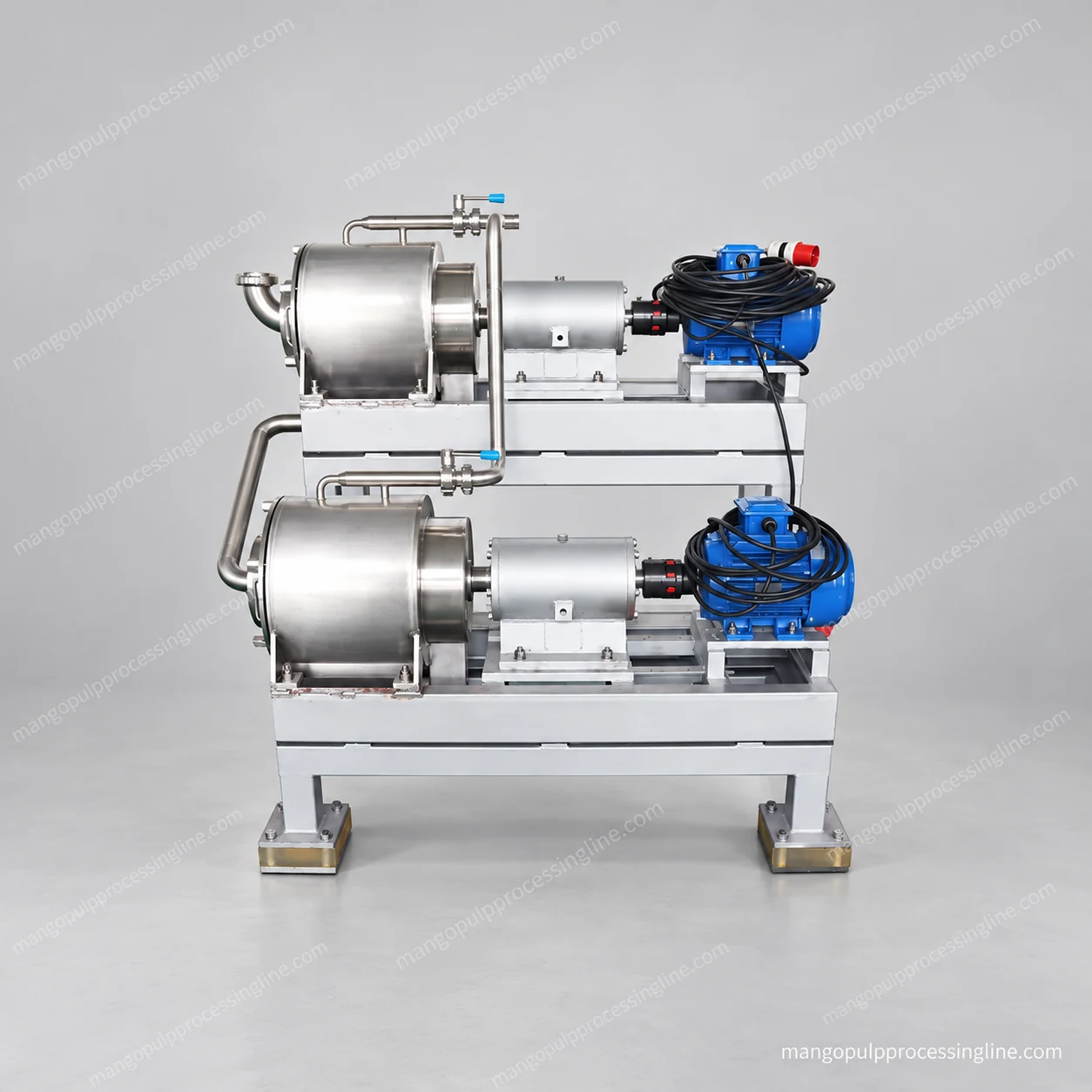
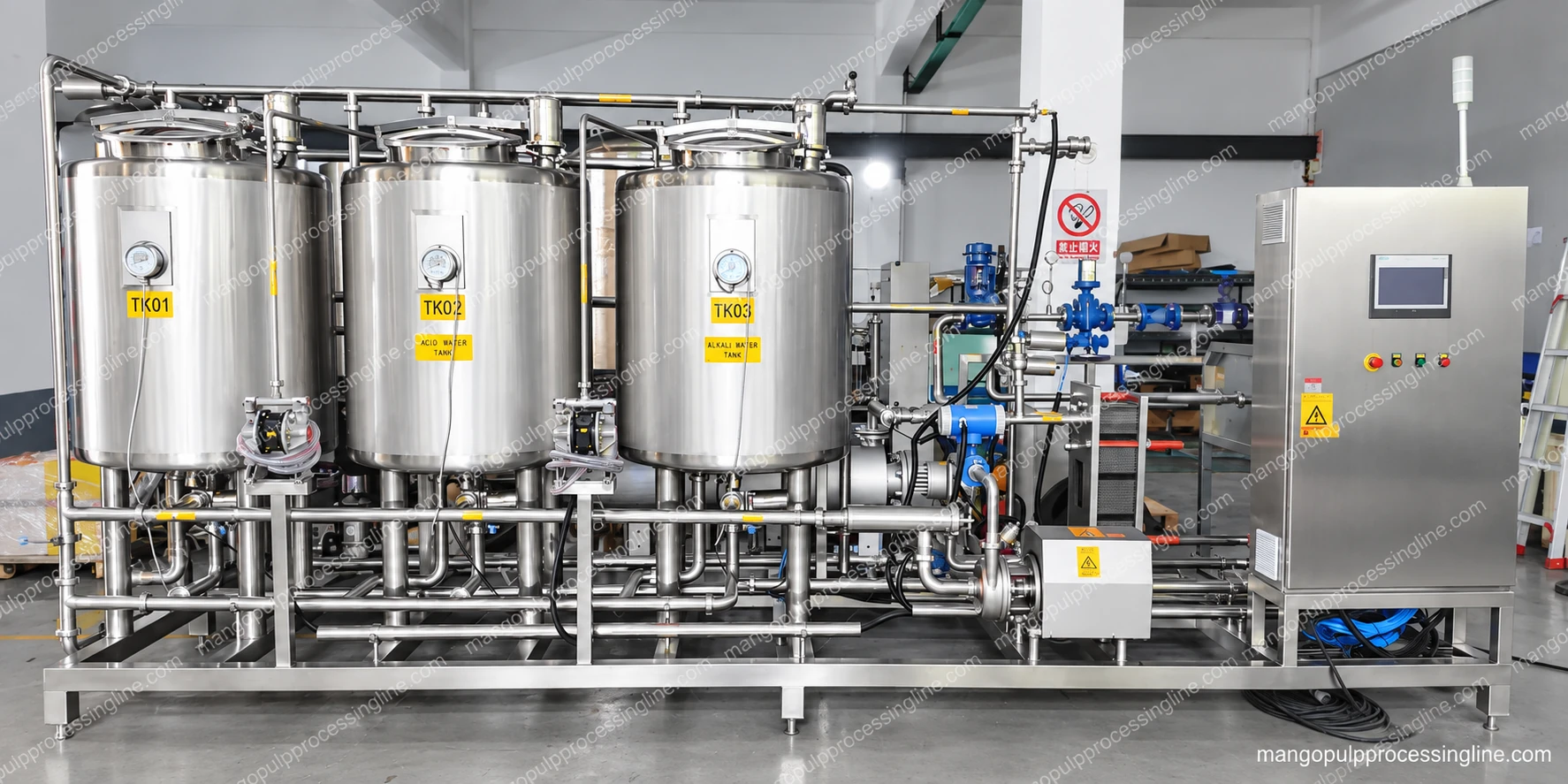
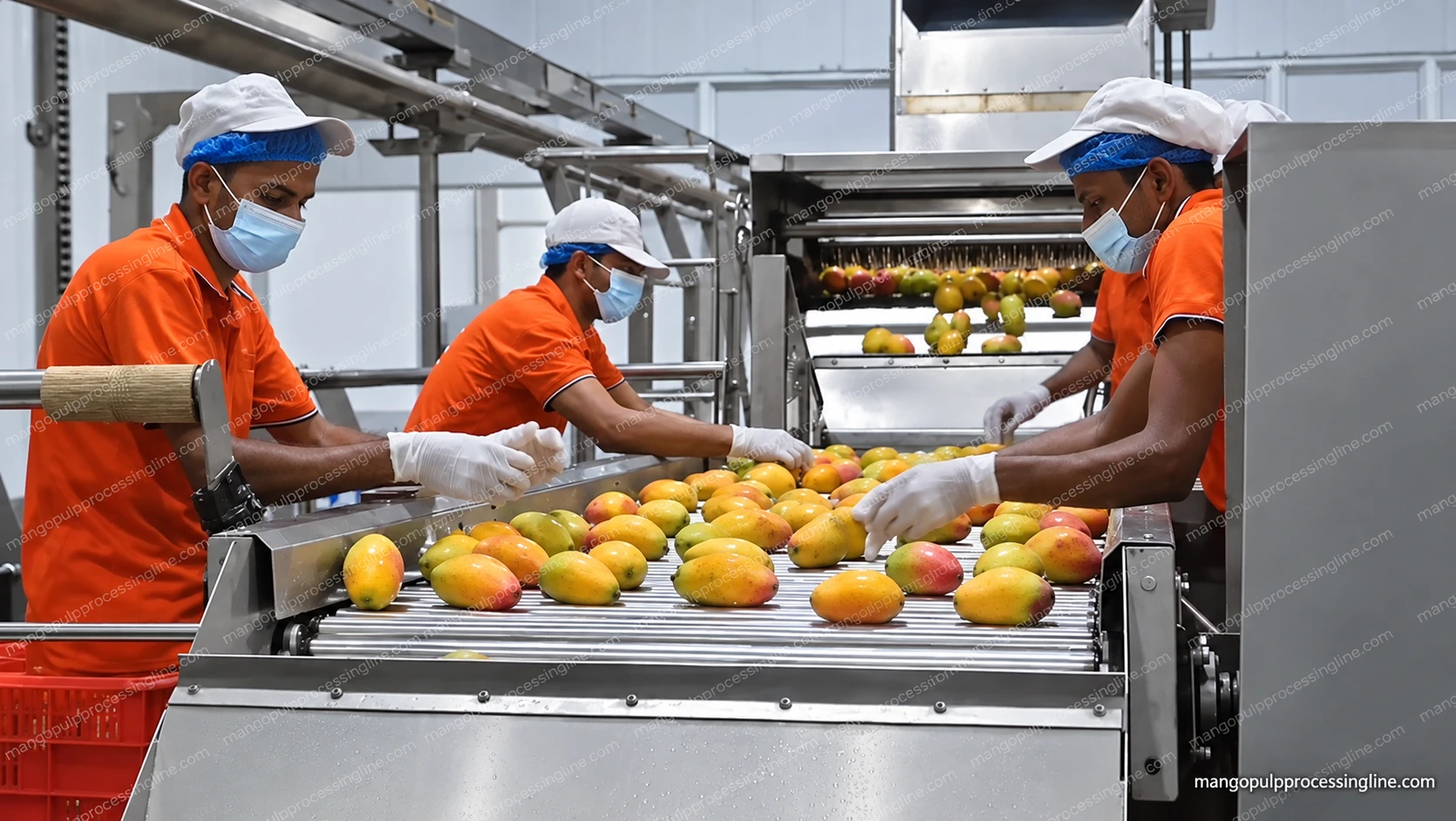
Locate each residue outlet on the layout
Start with a marked plan. The destoner has a peel and stone outlet; the finisher has a fibre reject outlet; cleaning operations produce water and residues; packaging can produce damaged bags or product that cannot be sold. Each point needs a direction, a collection method and a responsible operator.
Do not draw a single “waste” arrow from several machines unless the streams are genuinely compatible and the combined destination is approved. Combining peel with cleaning water, or fibre with stone material, makes both measurement and later use harder. It can also create a wet, rapidly deteriorating mixture in an inaccessible part of the building.
Mark product-contact and non-contact routes differently. A residue container in a clean area is not acceptable simply because it is labelled. The layout should show how containers enter, how they are exchanged and how spills are cleaned without crossing the product path.
Walk the route with the people who will actually move the material. A container that is too heavy, a doorway that is too narrow or a drain that is on the wrong side of a traffic lane will be worked around in practice. The plan should be practical before it is presented as hygienic.
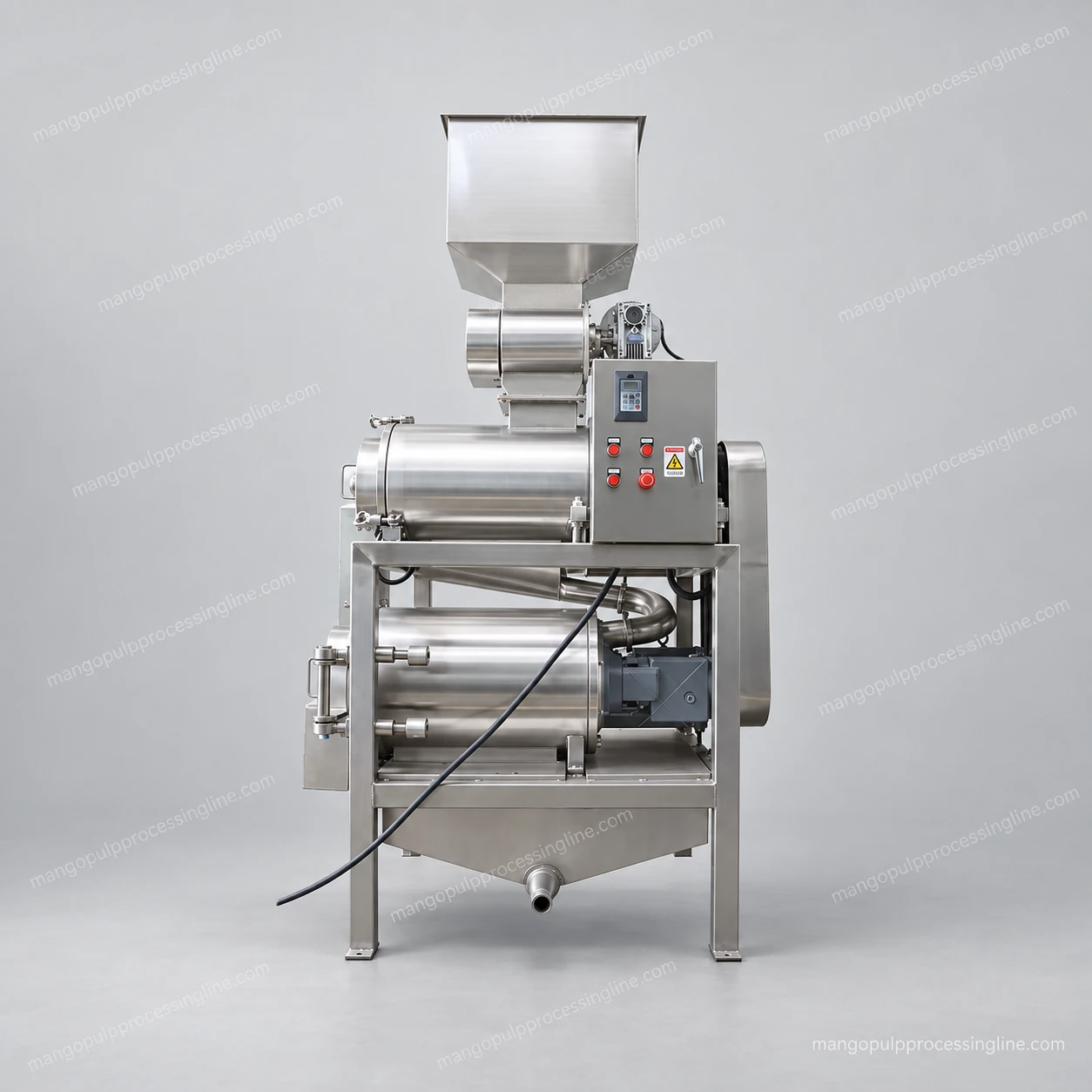
Keep wet fibrous reject out of clean zones
Mango peel contains bitter materials and the extracted pulp browns readily; FAO treats complete peel removal as a quality requirement rather than an optional trim. That does not mean the peel is a food ingredient or that it is safe to handle casually. It is a wet, biologically active side stream that should leave the processing room promptly.
Use covered or closed containers where the material is wet or attracting pests. Give the collection route a defined path that does not pass through filling, clean storage or finished-product handling. Provide wash-down and drainage at the collection point, and make sure the people who move containers have a hand-wash and footwear transition consistent with the plant’s hygiene plan.
The objective is not to make residue look tidy in a photograph. It is to prevent material from being tracked, spattered or stored where it can contaminate product contact surfaces. That requires a layout and a cleaning schedule, not just a coloured bin.
Pay particular attention to the end of the shift. Wet peel and fibre that remain in an open container overnight create a different hygiene problem from material removed promptly. Define who empties the container, where it is washed and how the wash water is disposed of before the next production period.
- Keep collection points away from filler, clean storage and product-contact equipment.
- Define container type, change frequency and a washable route.
- Include spills and drain cleaning in the sanitation plan.
Measure residue on a consistent basis
A residue number is only meaningful when the stream, boundary and basis are named. Record wet mass at a defined outlet over a defined period, with the lot or run identifier attached. If dry matter is needed for a downstream discussion, state the method and do not compare it with a wet-mass figure from another run.
Account for the residue in the material balance. Product retained in the line, peel and stone, fibre reject and any measured spill or cleaning loss are different terms. Do not call all of them “loss” before the boundary is defined. A trial that collects only the accepted pulp will always look incomplete.
FAO notes that mango peeling can be difficult because of thick, leathery skin and bitter substances, and that success is cultivar-dependent. That is a reason to record the fruit and the separation step, not a reason to assume a fixed peel percentage for every delivery.
If the plant uses a mass balance to compare runs, show the opening and closing inventory of product held in tanks and machines. A residue sample taken only at the end of a run may not represent the whole period. State the sampling method and the period before drawing a conclusion about the process.
| Stream | Useful record | Do not assume |
|---|---|---|
| Peel and stone outlet | Wet mass, lot, collection time and visible condition | A fixed peel yield for every cultivar |
| Finisher fibre reject | Wet mass, screen setting, product carryover and time | That all reject is unusable or all of it is valuable |
| Cleaning residue | Circuit, cleaning stage, volume or mass where measured | That cleaning waste can be combined with fruit residue |
| Packaging rejects | Format, reason and disposition | That a damaged pack can be reworked without a product decision |
Assess downstream users without claiming a ready business
Peel, stones, fibre and seed material have been studied as inputs for compost, animal feed, biogas, pectin and oil recovery. A research interest is not a purchase order. Each route needs a local regulatory assessment, a consistent supply, a defined quality specification, transport, storage and a buyer capable of handling the material.
UNIDO’s small-scale processing guidance emphasises production methods and quality assurance; it does not turn a residue stream into a guaranteed coproduct business. Treat any proposed use as a separate project with its own sampling, safety review and commercial agreement. If no user is ready, plan a permitted disposal route before the line starts.
The mango line can make segregation possible, but it cannot create the downstream market. That boundary belongs in the project brief, the layout and the operating cost model. It also protects the product line from being designed around an unproven revenue stream.
Before adding a residue-processing area, ask whether the site has the permits, space, utilities and operating skills for it. A small composting or feed trial may be a sensible first step, but it should not be drawn into the food production room as if it were part of the pulp line. Keep the food process and the residue process visibly distinct.
- Do not call contaminated or mixed reject edible, feed-grade or saleable without evidence.
- Test any proposed user’s specification with representative, correctly collected material.
- Keep a permitted disposal route as the fallback when no downstream user is contracted.
Sources and scope
The article uses the following published sources for context. It does not turn their general or grouped material into a project-specific guarantee.