A variety name alone cannot describe the feed
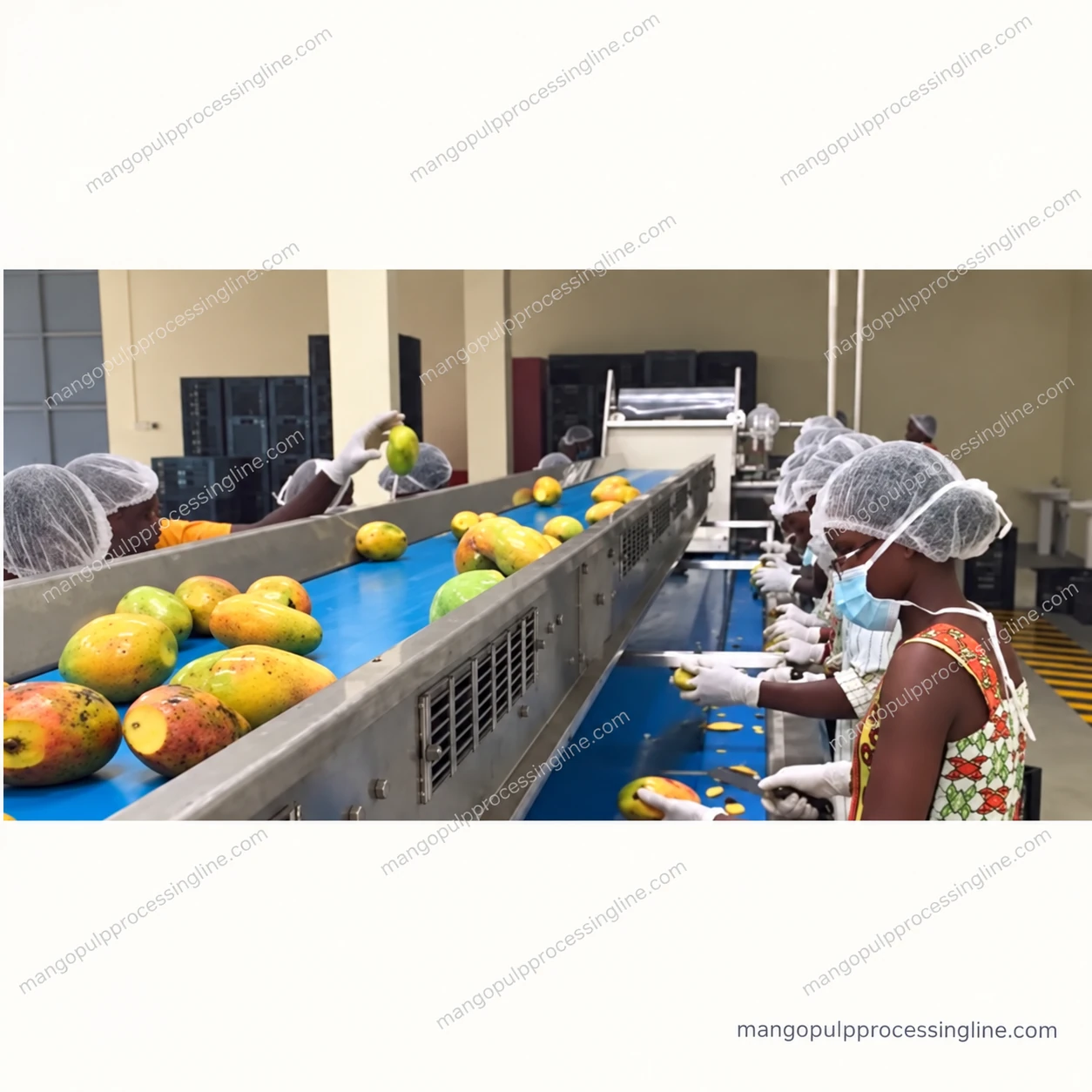
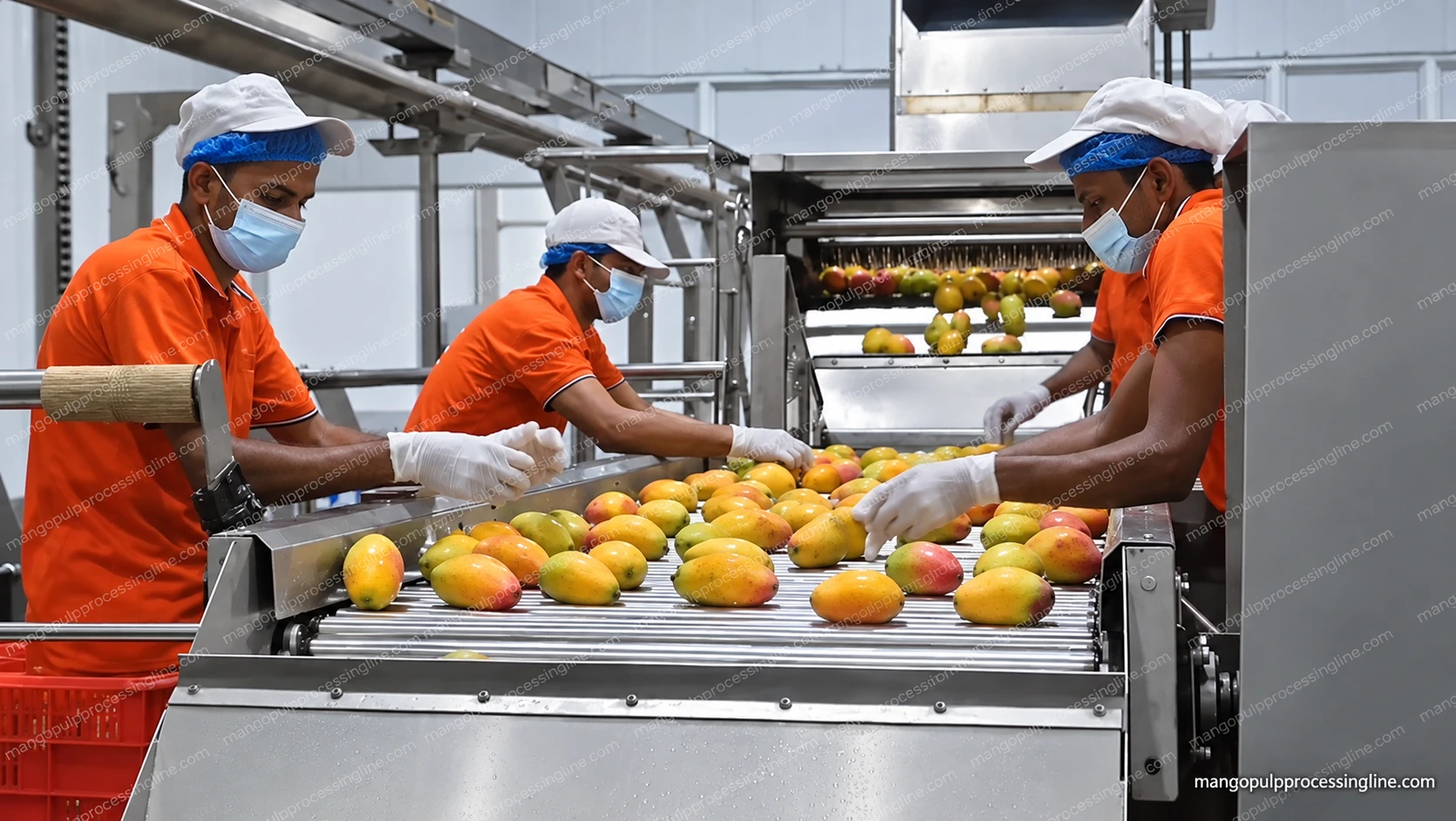
A line receives a distribution of fruit conditions, not an average mango. Identify the cultivar or local trade name for each incoming lot, its origin and harvest or receiving date. Keep different lots separate in the brief when their firmness, size or stone form differs. Do not borrow a recovery figure from another variety.
Maturity affects the flesh presented to the destoner and the pulp delivered to screening. Describe how ripeness or firmness is assessed, how lots are held before processing and which fruit is rejected. If no measurement method has been agreed, mark the maturity range for project confirmation.
Make the sample represent the difficult fruit too
Photographs of the fruit, cut sections and separated stones are useful alongside the lot record. A trial sample should include the accepted extremes of size and maturity rather than only the easiest fruit. Record transport and storage conditions so a changed sample is not silently treated as a machine effect.
| Record with the lot | Why the equipment discussion needs it |
|---|---|
| Cultivar, maturity method and size spread | Feeding geometry and separation conditions |
| Peel, stone form and flesh attachment | Destoner outlet inspection and residue accounting |
| Defects, trim and rejected fruit | Accepted-fruit boundary before any recovery comparison |
| Pulp texture, fibre and assessment temperature | Screen trial and downstream pumping basis |
Carry the same lot through extraction and screening
Use the same identified material when comparing destoner settings or screen combinations. Weigh the accepted feed and each reject stream, retain pulp samples and record the operating setup. A changed cultivar or ripening period belongs in a separate trial record. None of these brief fields is a published test result.