Begin with the fruit actually available
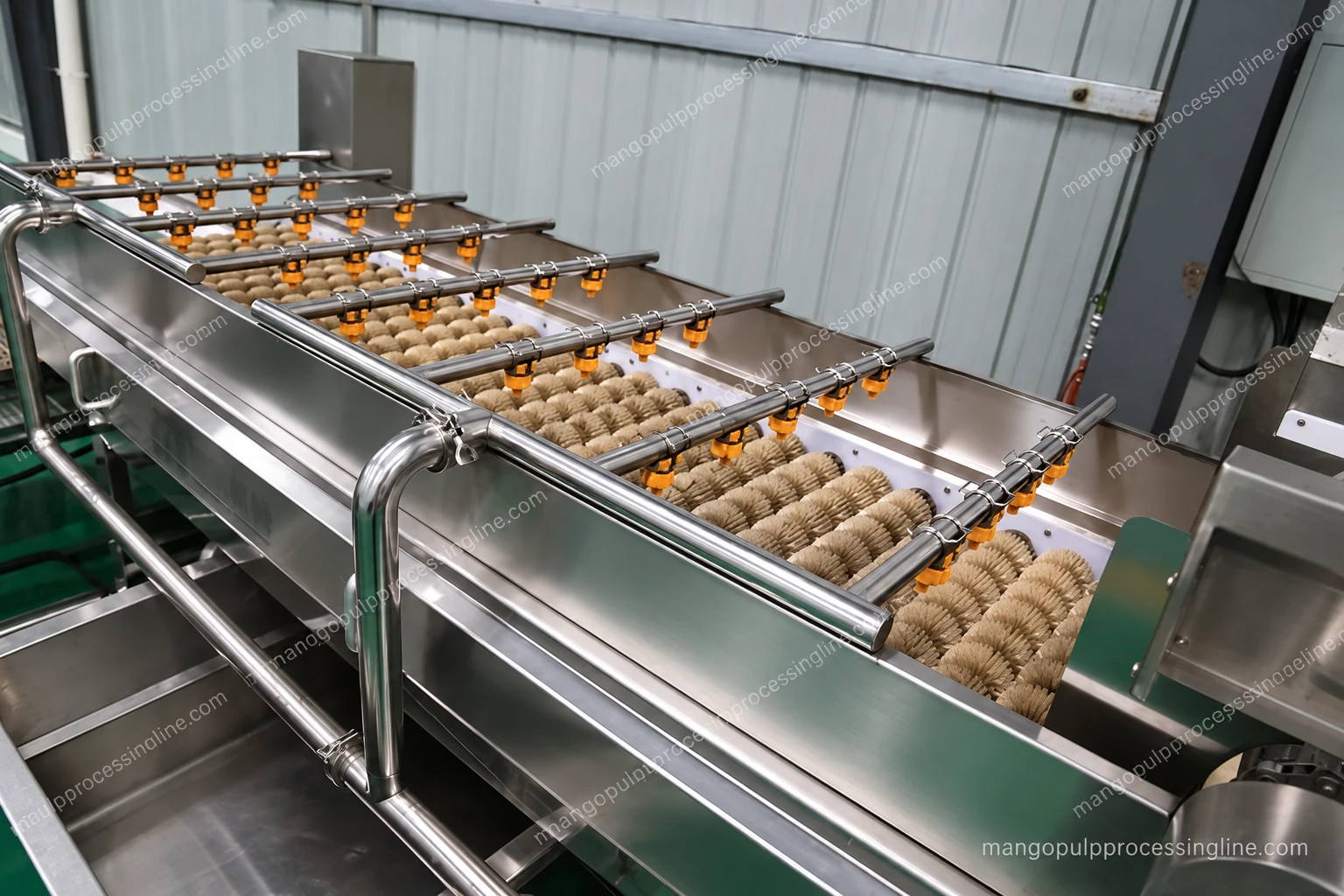
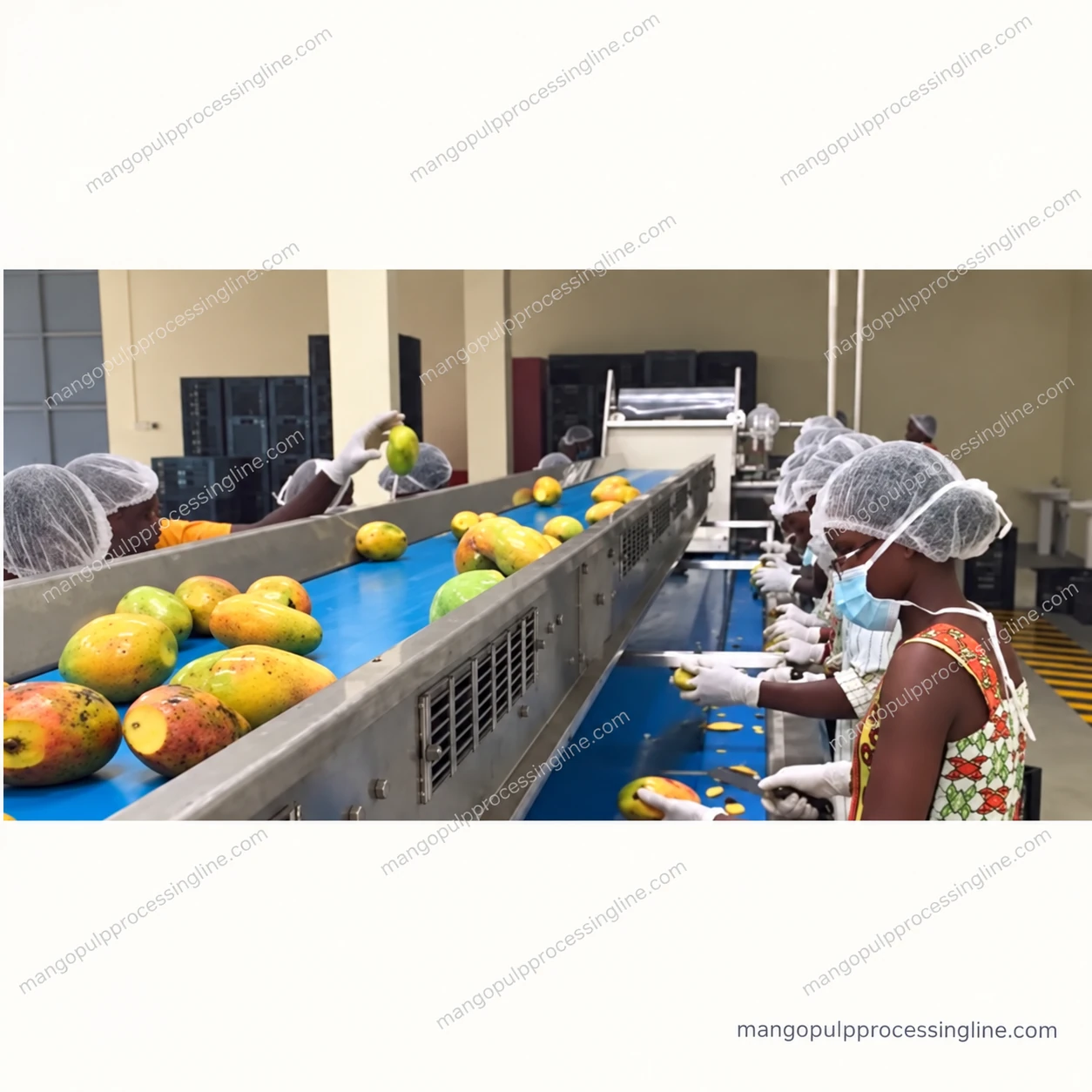
Variety, maturity and fruit condition influence extraction and the pulp reaching the finisher. A representative sample should describe those conditions, not just the final appearance of a jar of puree. Washing and inspection remove unsuitable feed before it enters extraction. Comparing machines with different fruit samples can obscure the effect of the equipment itself.
Choose a refining cut for the intended product
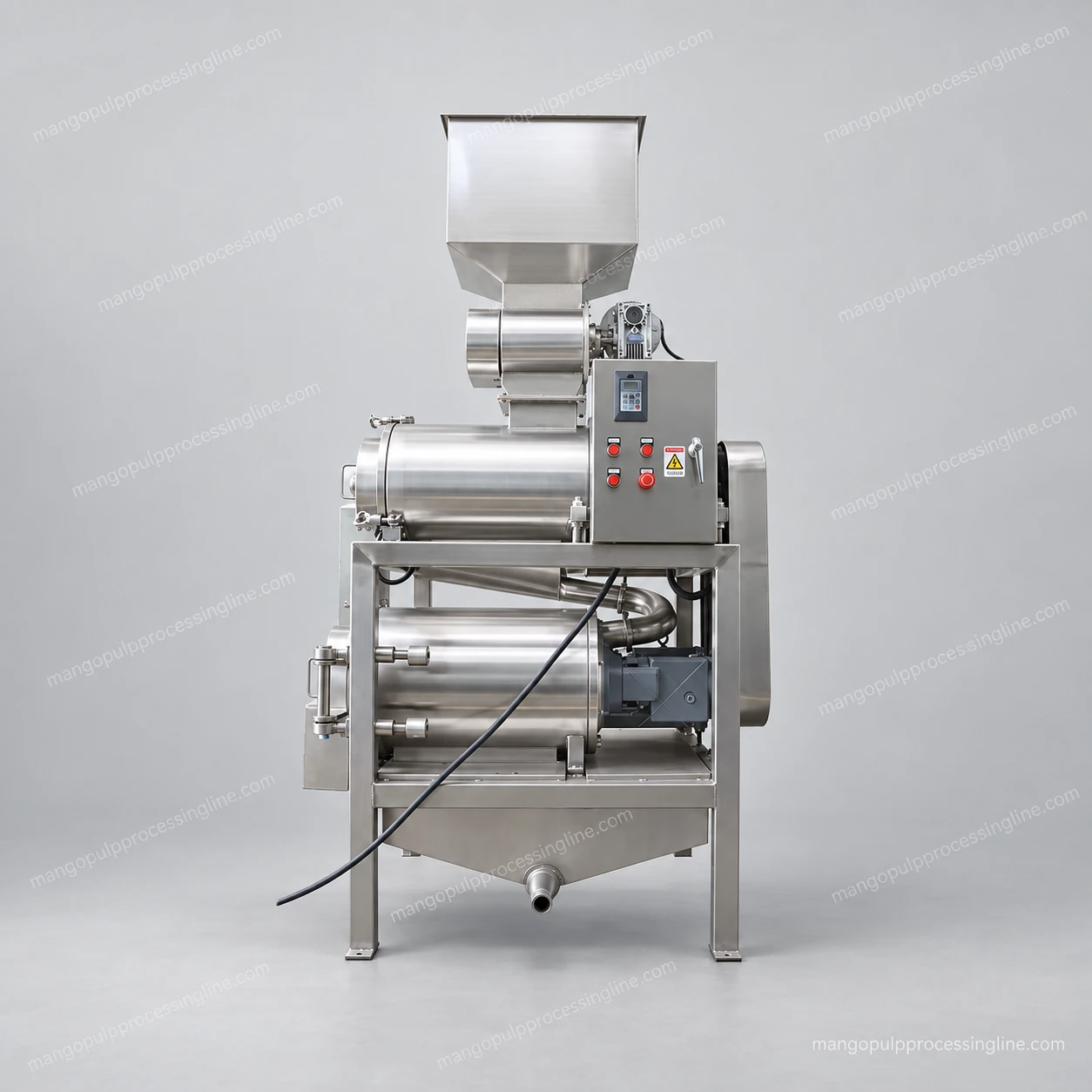
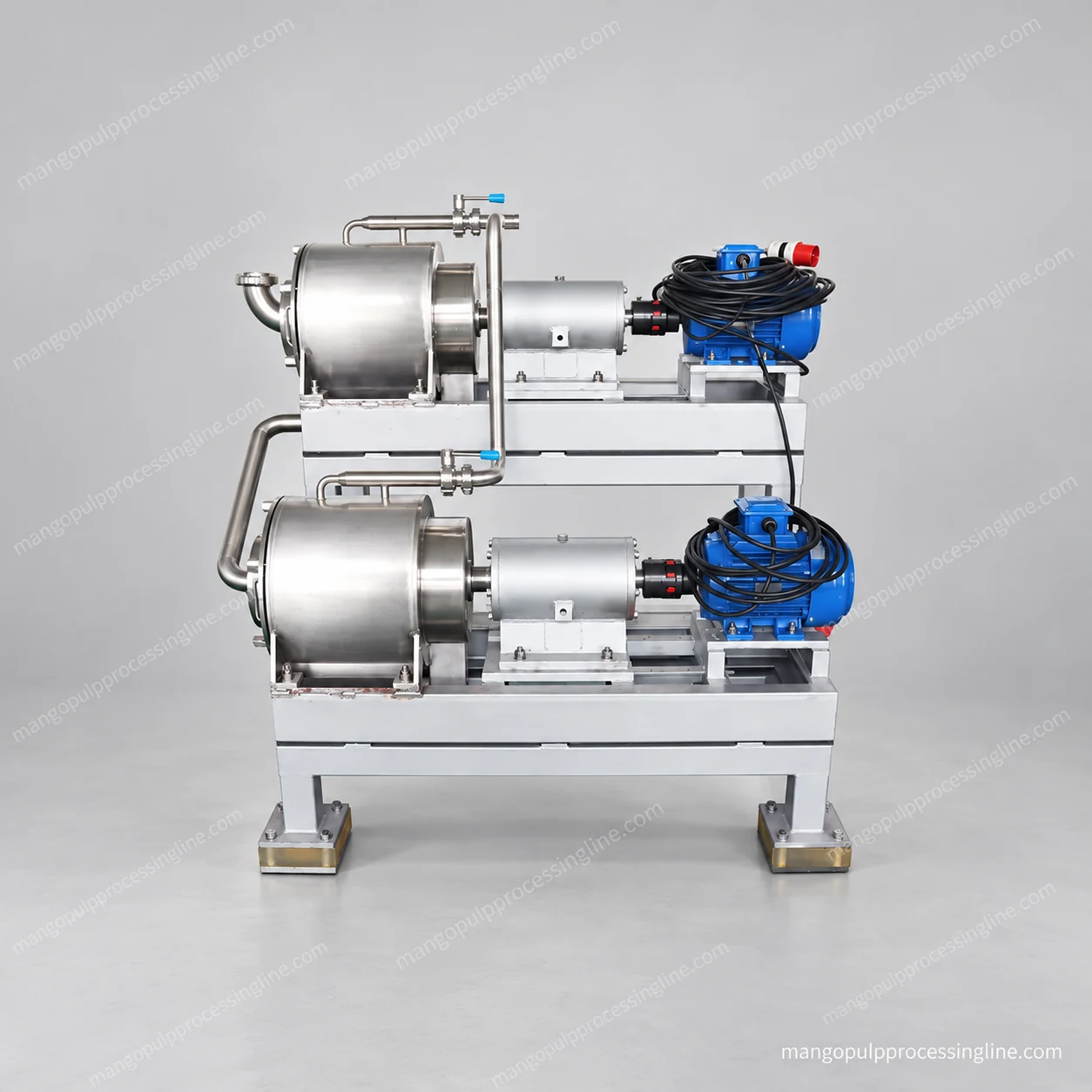
Finisher screening separates material that passes the chosen openings from coarser residue. The current catalogue lists reference screen options, but a smaller aperture is not a universal quality setting. Discuss texture, retained fibre, separation losses and flow together. The chosen first and second screening stages should have a defined product target and an assessment method.
Use a repeatable sample comparison
Record feed conditions, operating setup, sample point and how the pulp was assessed. Compare accepted product and reject material on the same basis. A useful equipment enquiry can include the intended customer application and an existing sample description; acceptance criteria are then agreed for the selected process. No extraction or refining photograph proves a universal recovery percentage.